That is not a verdict on the choice you made. In almost every case it is one of seven gaps, and a gap is a small, measurable, closable thing. This site finds yours, in grams, in foods you can buy on a Tuesday, and in one change at a time rather than a new diet.
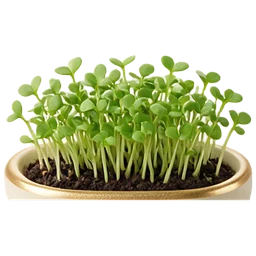
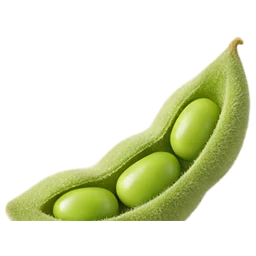
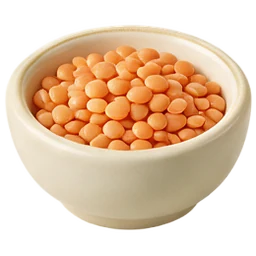
Pea shootsEdamameRed lentilsTofuChickpeasPumpkin seedsSpinachOatsKaleSoySoft waterSproutsPea shootsEdamameRed lentilsTofuChickpeasPumpkin seedsSpinachOatsKaleSoySoft waterSprouts
The feeling
If you have typed why am I tired on a vegan diet into a phone at midnight
You are not imagining it, and you are not failing at this. Most of what you feel traces back to one or two nutrients that a plant-based plate does not supply by accident, and to one habit that looks like virtue and behaves like hunger. These are the signs women describe first.
Flat by three in the afternoon, whatever you ate at one
Cold hands in a warm room
A fog where the words used to be
Awake at midnight, heavy at seven
Breathless on the second flight of stairs
Hair in the brush, nails that split
The seven gaps
Seven places to look, in the order they turn up
Each card carries the sign, the foods that close the gap, and the reference number from EFSA or the US Dietary Reference Intakes. The articles behind them go deeper, meal by meal.
01
Vitamin B12
Tiredness that sleep does not touch, pins and needles, a mind that mislays words.
4 µg a day (EFSA adequate intake), 2.4 µg (US RDA). No plant makes it. This is the one gap food alone cannot close.
02
Iron
Pale nail beds, cold fingers, breathless on stairs, an odd pull toward ice.
lentilstofupumpkin seedsspinachoatsplus vitamin C
16 mg a day for women 18 to 50 (EFSA), 18 mg (US). Plant iron is absorbed at 5 to 12 percent, so the pairing matters as much as the amount.
03
Iodine
Slow, cold, puffy mornings; a voice that sits lower than it used to.
iodized salta measured piece of seaweedfortified plant milk
150 µg a day, the EFSA adequate intake. Seaweed swings from far too little to far too much between species, so it is weighed, never guessed.
04
Omega-3
Dry eyes, dry skin, a low mood that arrives with the dark months.
ground flaxseedchiawalnutsrapeseed oilalgae oil
250 mg EPA and DHA a day (EFSA). The ALA in seeds converts at a few percent; algae oil is the direct plant source.
05
Vitamin D
Aching bones and a winter that lasts until May.
fortified foodsmidday sun, April to Septembera winter supplement above 50°N
15 µg a day (600 IU), the EFSA adequate intake. Vegans in the EPIC-Oxford study averaged 55.8 nmol/L, the lowest of all groups and still above the 50 nmol/L line.
06
Protein
Hungry an hour after eating, slow to recover, softer than you were.
tofutempehedamamelentilsseitansoy milk
0.83 g per kg a day is the EFSA floor. Women who train do better near 1.2 to 1.6 g per kg, spread over three meals of 25 to 30 g.
07
Enough food
Tired, cold and virtuous: the plate is enormous and the kilocalories are not.
nutstahiniolive oiloatssoyavocado
Most women need 1,800 to 2,200 kcal a day. A leafy plate can look vast at 1,300. The three-day log finds this one in a weekend.
Start with the gaps section: one article per nutrient, each with the foods, the grams and the blood test that settles it.
What the research says
Who was studied, what they ate, and the finding that cuts the other way
Four papers sit under most of this site. Each one is quoted with its population and its contrary result, because a number without its limits is a slogan.
Nutrition Reviews, 2013, systematic review
How prevalent is vitamin B12 deficiency among vegetarians?
Who: Systematic review of 18 studies; vegetarians and vegans of all ages, with and without supplements.
Found: The review found B12 depletion or deficiency ranging from 0 to 86.5 percent across the adult study groups, higher in vegans than in lacto-ovo vegetarians, lowest where supplements or fortified foods were used.
But: The range is wide because studies used different cut-offs and markers; supplemented groups in several studies showed little or no deficiency.
The pattern behind every plan on this site. It takes a weekend, a notebook and a kitchen scale, and it ends with a single sentence you can tape to the fridge.
1
Log three days
Everything, weighed, including the oat milk in the coffee. Not to judge it. To see it. Most women discover the plate is lighter than it looks, or that one nutrient appears nowhere at all.
2
Find the one gap
Totals against the EFSA and NIH reference values, side by side. The largest gap is nearly always one of the seven, and nearly always only one. That is the whole target for the next month.
3
Change breakfast first
One meal, rebuilt around the missing nutrient, because the first meal is the one you control on a bad day. Then four weeks, then the blood test that says whether it worked.
You did not fail at eating plants. A plate failed to tell you what it was missing.The idea behind this site
Who writes this
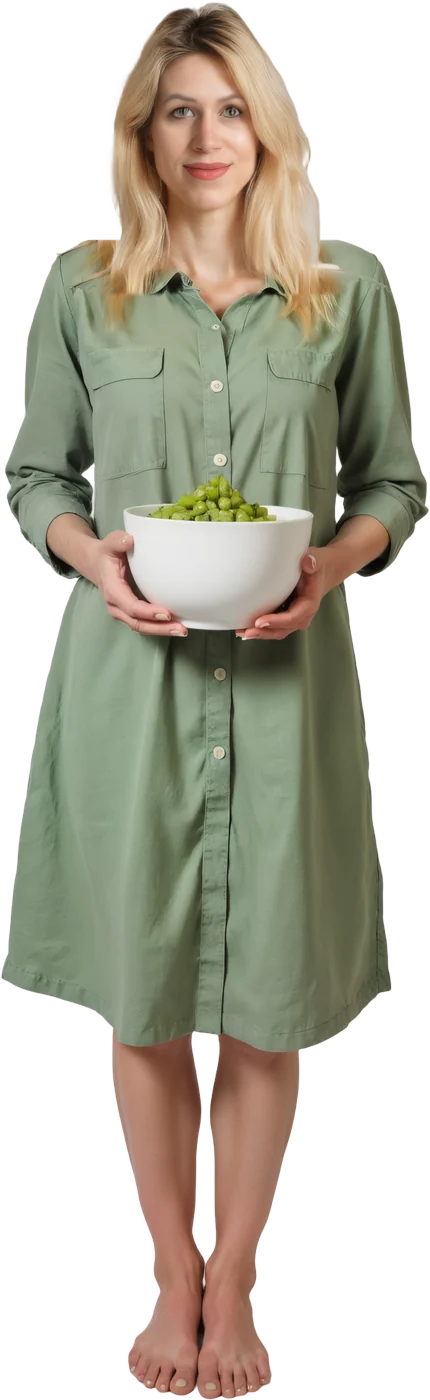
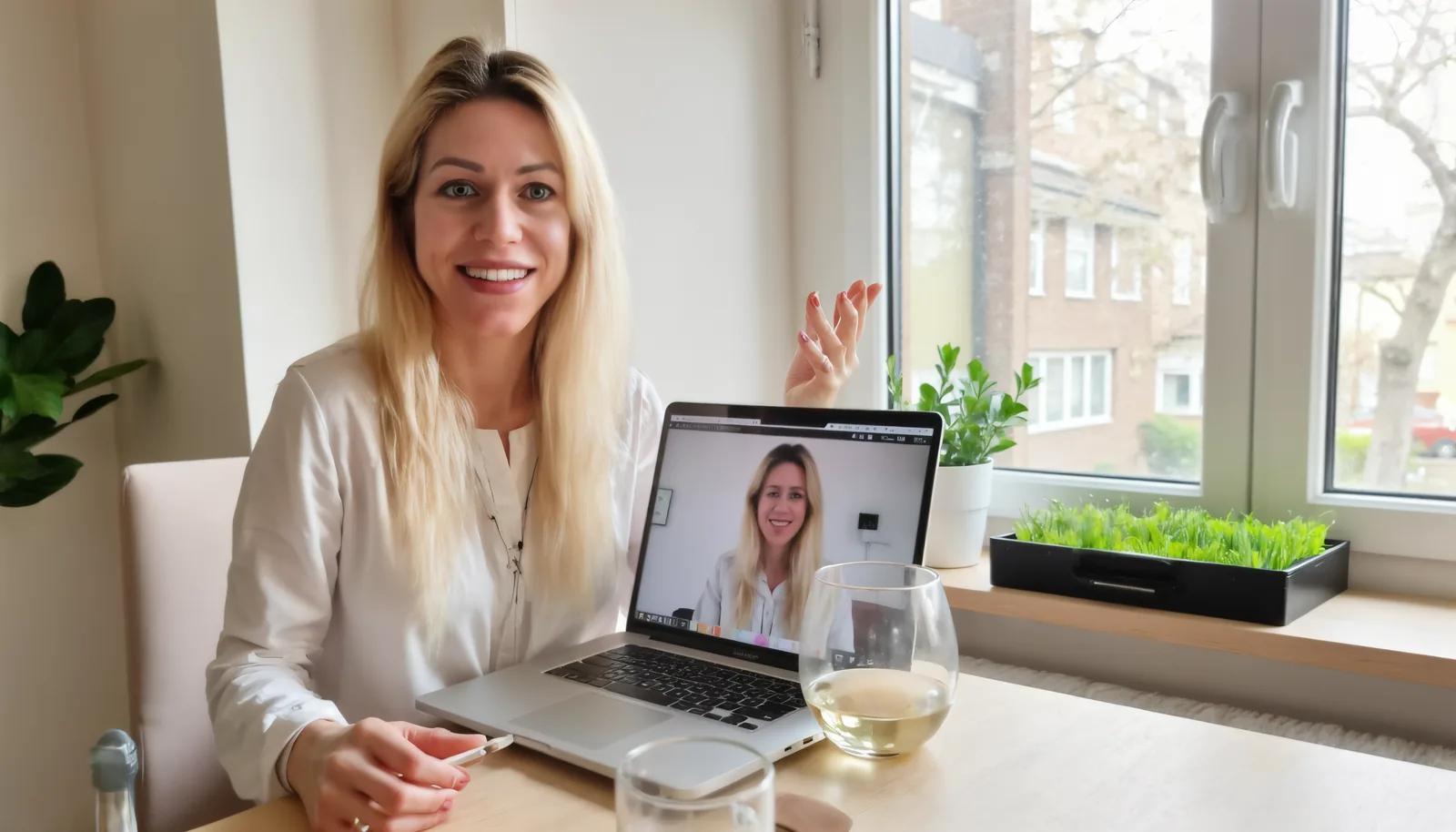
Barbara, at a kitchen table like yours
She has eaten plants her whole life, trains every morning in the Nordics with two dogs who do the pulling, and has spent years coaching women across Europe, most of them in online sessions from exactly the kind of kitchen you are sitting in now. Women who came to her tired, carrying more than they wanted to, and worn down by advice that contradicted itself.
A session is unglamorous and it works: the three-day log read line by line, the one gap named, the one change agreed, and a strength plan that fits a real morning. Then a week to test it, and another conversation. One measured step at a time, for as long as it takes to feel like yourself again.
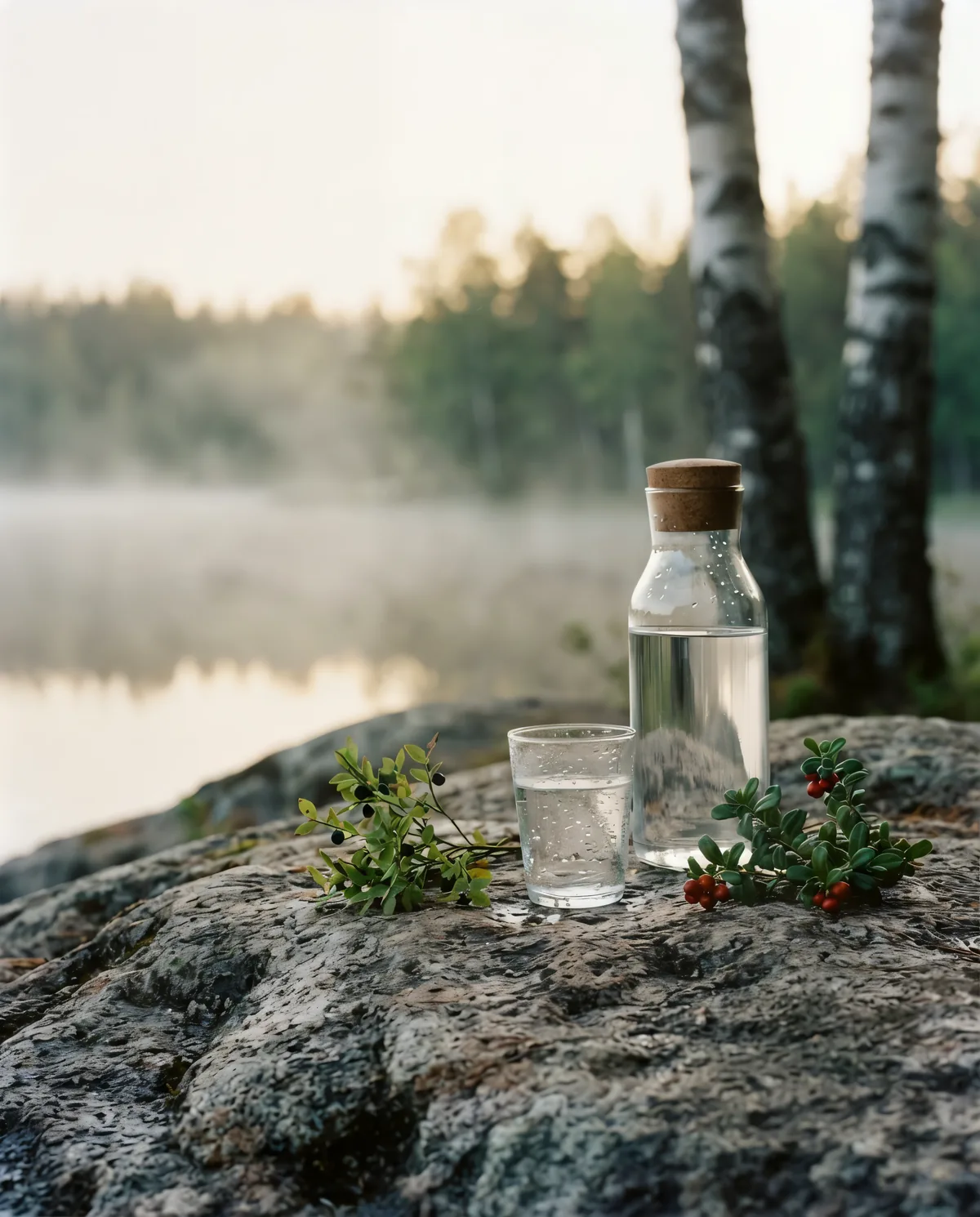
The north was part of the transformation, and it is the standard every plate here is held to. Water that comes out of the tap soft and cold from granite and snowmelt. Oats and berries that grow slowly through long bright days and taste of it. Root vegetables and cabbages that keep all winter without anyone adding anything. Short distances from the field to the plate, and a label that lists every ingredient and every amount. That is what she means by Nordic quality, and why it is the first thing she looks for in any food she puts in front of a client.
Soft, cold water from granite and snowmelt, the first ingredient in everything
Oats, wild blueberries and lingonberries grown slowly through long bright days
Short supply chains: fewer hands, fewer weeks, less that can go wrong
A label with every ingredient and every amount, or it does not come home
The reason, not the detail
Compassion is why the plate is plant-based
Animals reached a part of her that hardship never managed to destroy. Veganism followed as the natural extension of that love, and it runs through the whole house, from the plate to the bathroom cabinet. The dogs, the cats, the hamster she will tell you about if you ask: they are not a footnote to how she lives. They are the point.
A husky and a German ShepherdThe catsOne small hamsterNothing tested on any of them
Plates that close gaps
What a gap looks like when it is closed
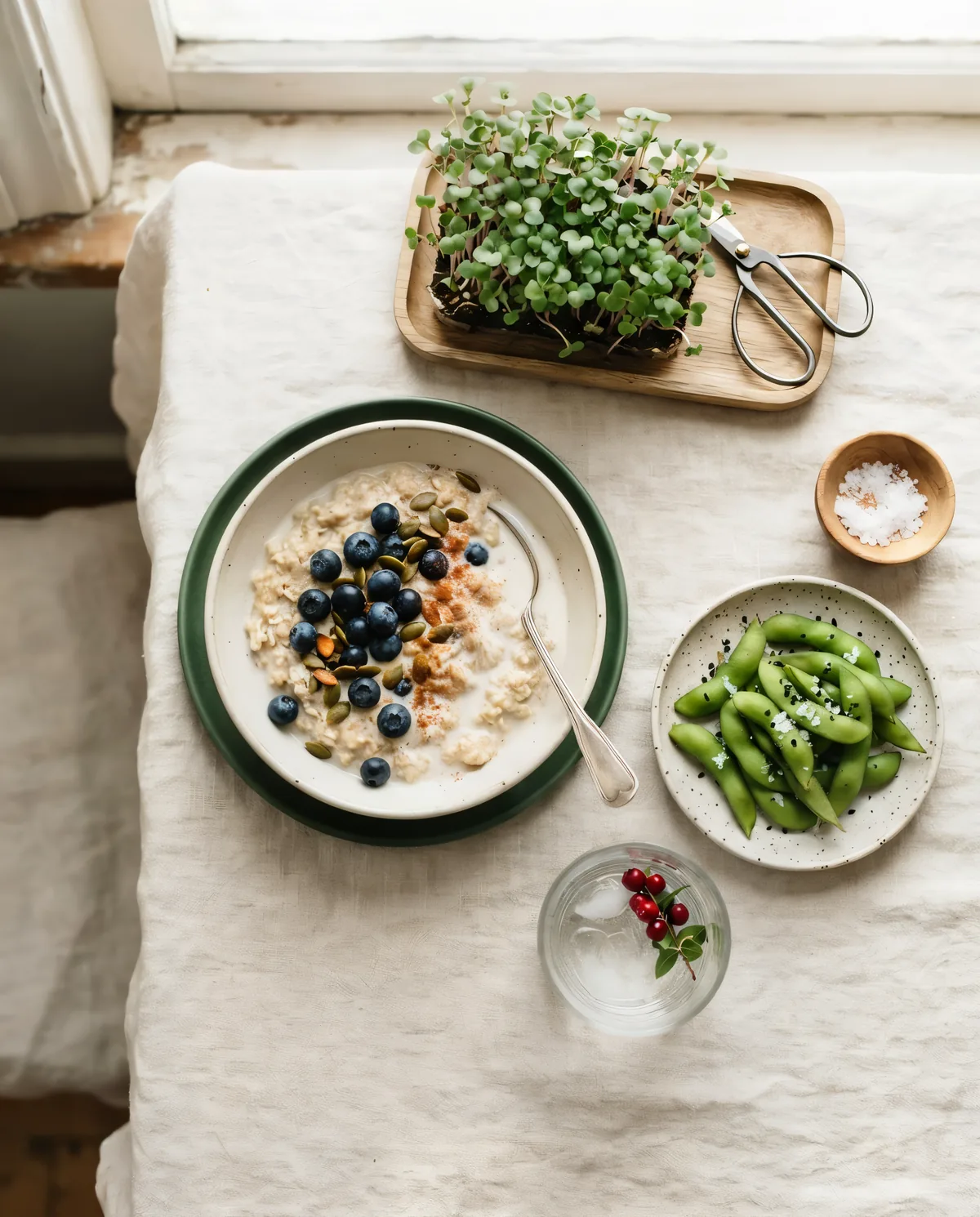
The breakfast
Oats, pumpkin seeds and berries with a fortified milk: iron, vitamin C and B12 before nine.
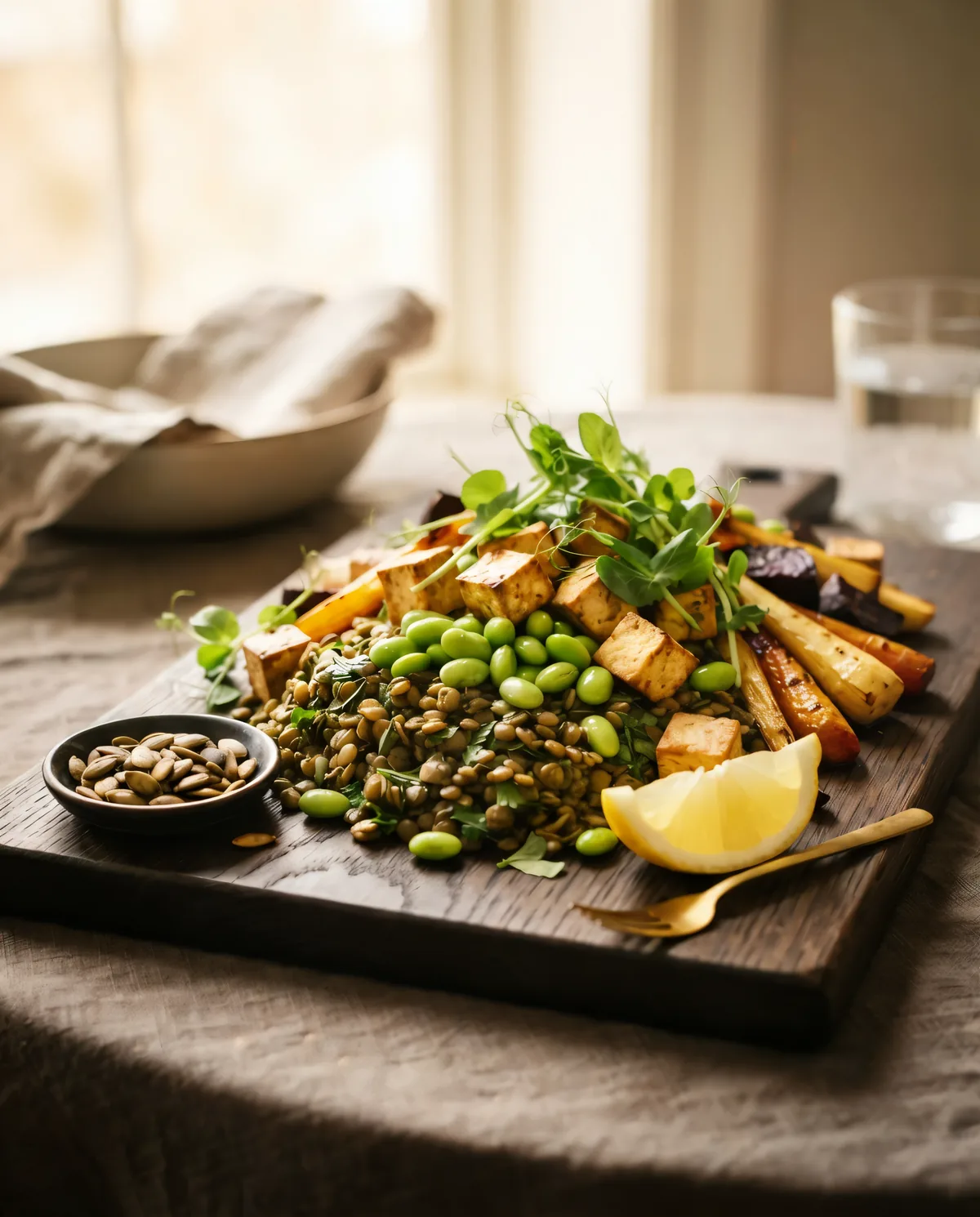
The board
Lentils, tofu and edamame on one board: thirty grams of protein and most of a day's iron.
The water
Two liters of cold soft water a day, because the most common reason for a three o'clock slump is the simplest one.
Find your gap: the seven-gap checklist and the three-day log, by email
Latest from Barbara
gaps
Vegan Calcium Sources: Best Plant Foods for Daily Intake
Discover vegan calcium sources like tofu, kale, almonds and figs that help you reach daily calcium needs without dairy. Food first, in grams.
gaps
Vegan and Not Eating Enough: The Hidden Calorie Gap
How a plant-based plate quietly under-feeds women, the signs of low energy availability, the numbers, and the dense foods that close the gap in a week.
gaps
Vegan Iodine Sources: Signs, Amounts and the Seaweed Rule
Iodine is the gap nobody mentions. The signs, the thyroid tests, iodized salt and fortified milks per serving, safe seaweed amounts and the 150 µg supplement.
gaps
Vegan Iron Deficiency: Signs, Ferritin, Foods, Absorption
The ferritin number that explains your tiredness, iron-rich vegan foods in mg per portion, the vitamin C and coffee rules, and when a supplement is right.
gaps
Vegan B12 Deficiency: Symptoms, Test, Foods and Dose
Why B12 is the one gap no plant closes: the signs, the three blood tests, fortified foods per serving and the cyanocobalamin dose that keeps you topped up.
gaps
Vegan Omega-3 Sources: ALA Foods and the Algae Oil Dose
Flax, chia and walnuts in grams per serving, why only a few percent becomes EPA and DHA, the omega-3 index to test, and the algae oil dose that matches fish oil.
This is general information about food and training, not medical advice. If you have a diagnosed condition or take medication, talk to your doctor before changing your diet or exercise.
 Plant-based since childhood
 Coaches women across Europe
 Written from the Nordics
 Pea shoots
 Edamame
 Red lentils
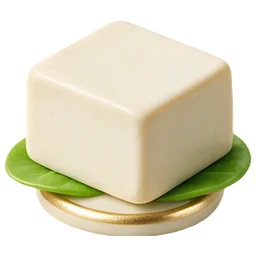 Tofu
 Chickpeas
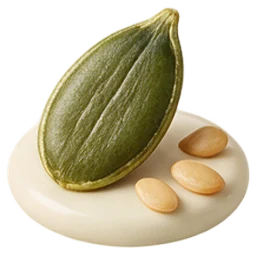 Pumpkin seeds
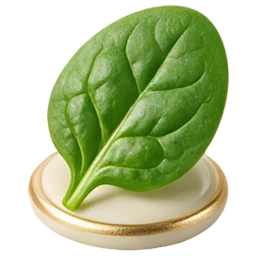 Spinach
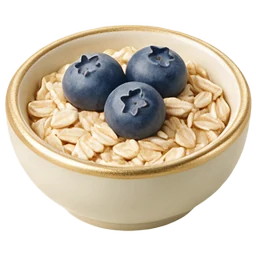 Oats
 Kale
 Soy
 Soft water







 A husky and a German Shepherd
 The cats