
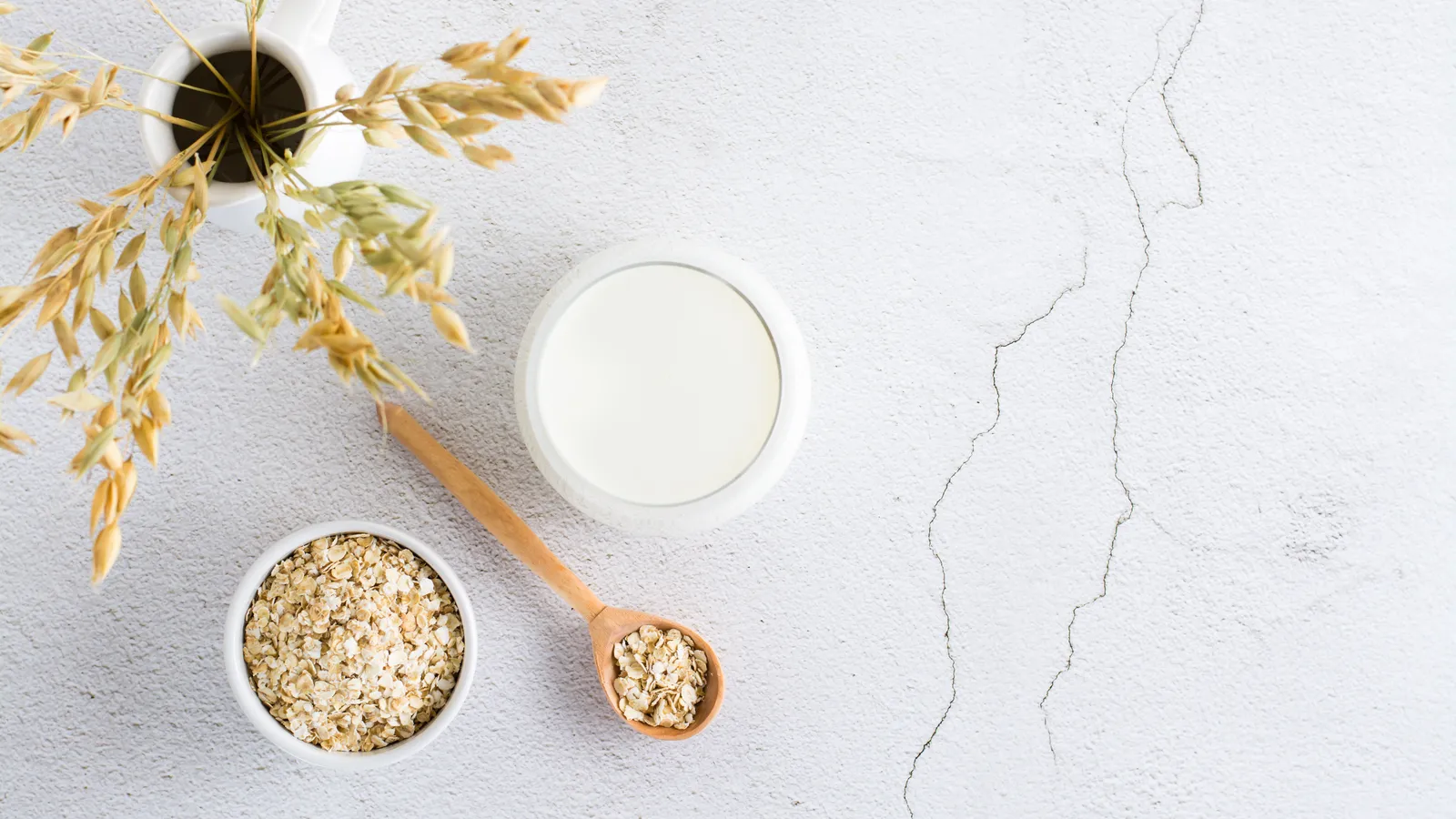
Vegan calcium sources include tofu set with calcium sulfate, calcium-fortified soymilk, kale, bok choy, almonds, tahini, white beans, dried figs, broccoli and oranges, each one giving a meaningful dose without dairy. Mixing two or three of these across a day covers the EFSA population reference intake of 950 mg and gets close to the NIH RDA of 1000 to 1200 mg for women, depending on age.
What Are the Best Vegan Calcium Sources?
Tofu, fortified soymilk and dark leafy greens top the list for vegan calcium sources, each delivering a meaningful dose per serving. The amounts below come from USDA FoodData Central, per 100 g as described, so you can scale them to your own plate.
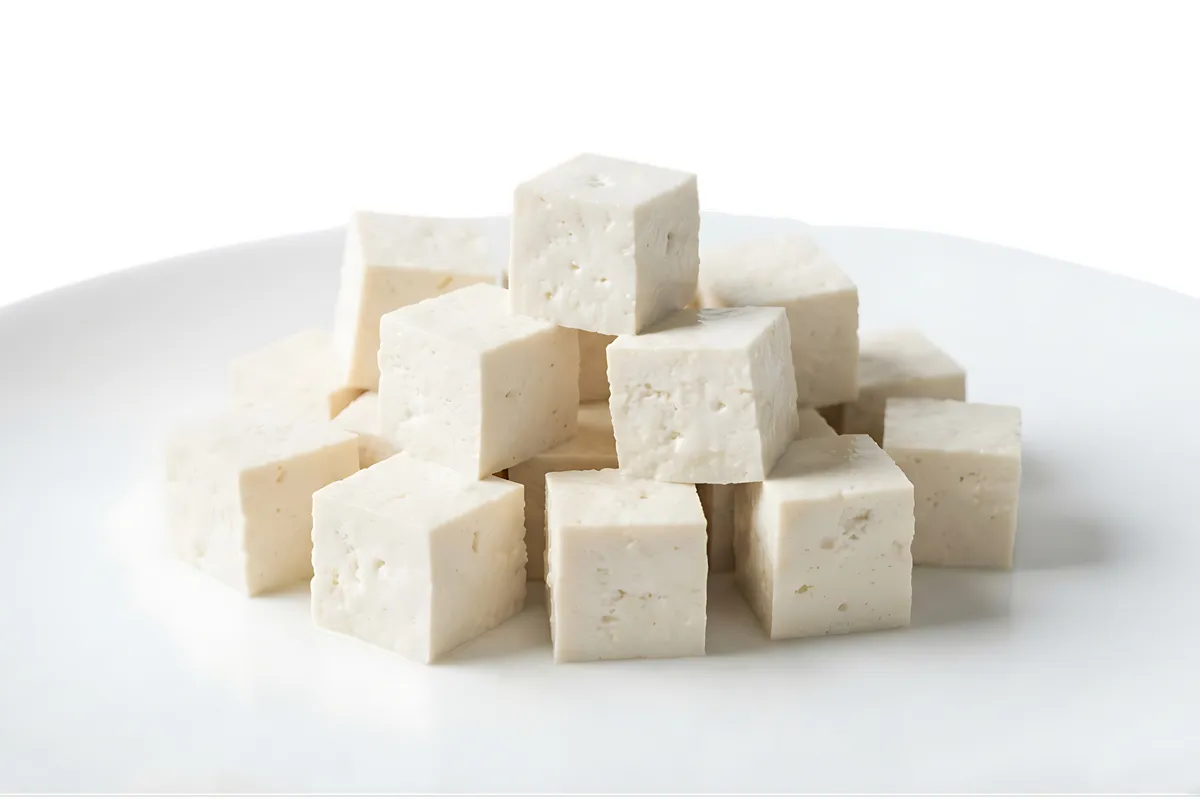
1. Tofu set with calcium sulfate
About 683 mg of calcium per 100 g, according to USDA FoodData Central, plus about 17.3 g of protein and 2.3 g of fiber in the same portion. A half cup of firm tofu covers more than half the EFSA population reference intake for a day.
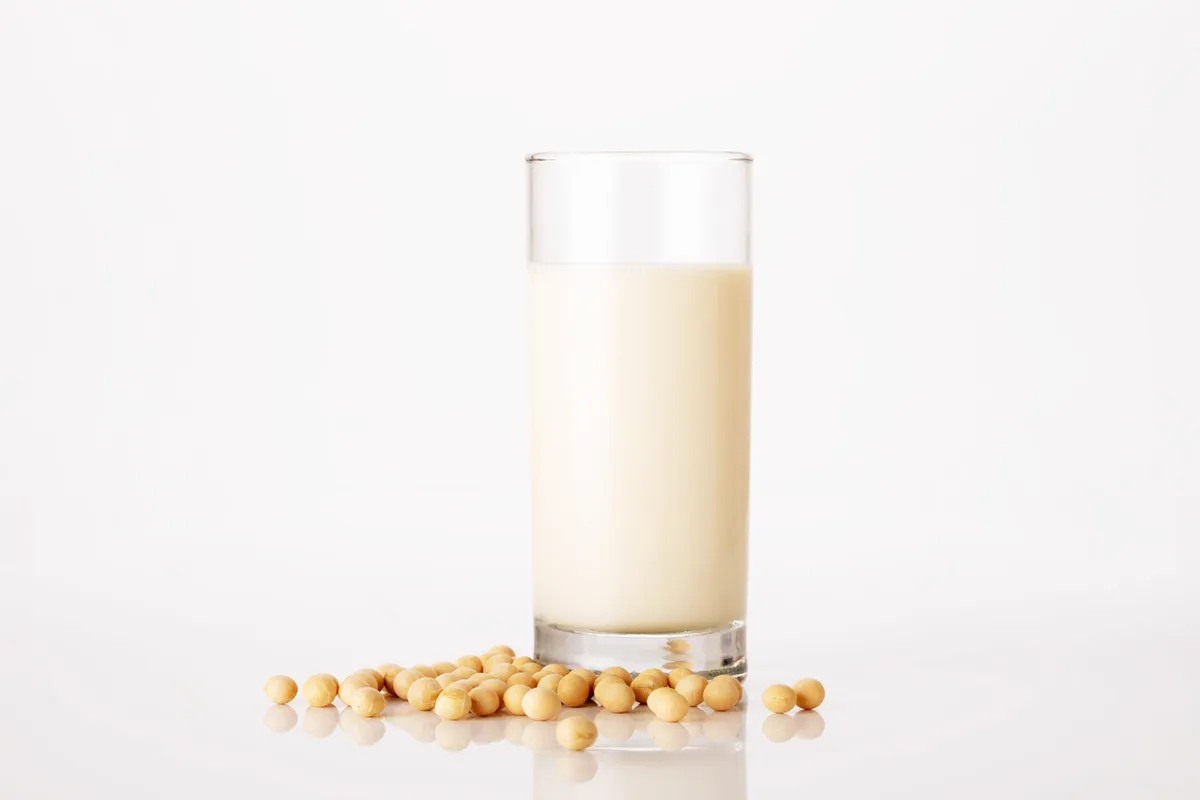
2. Calcium-fortified soymilk
About 124 mg of calcium per 100 g, with about 2.9 g of protein and 0.5 g of fiber. Two cups spread across the day add close to 300 mg with no extra cooking.
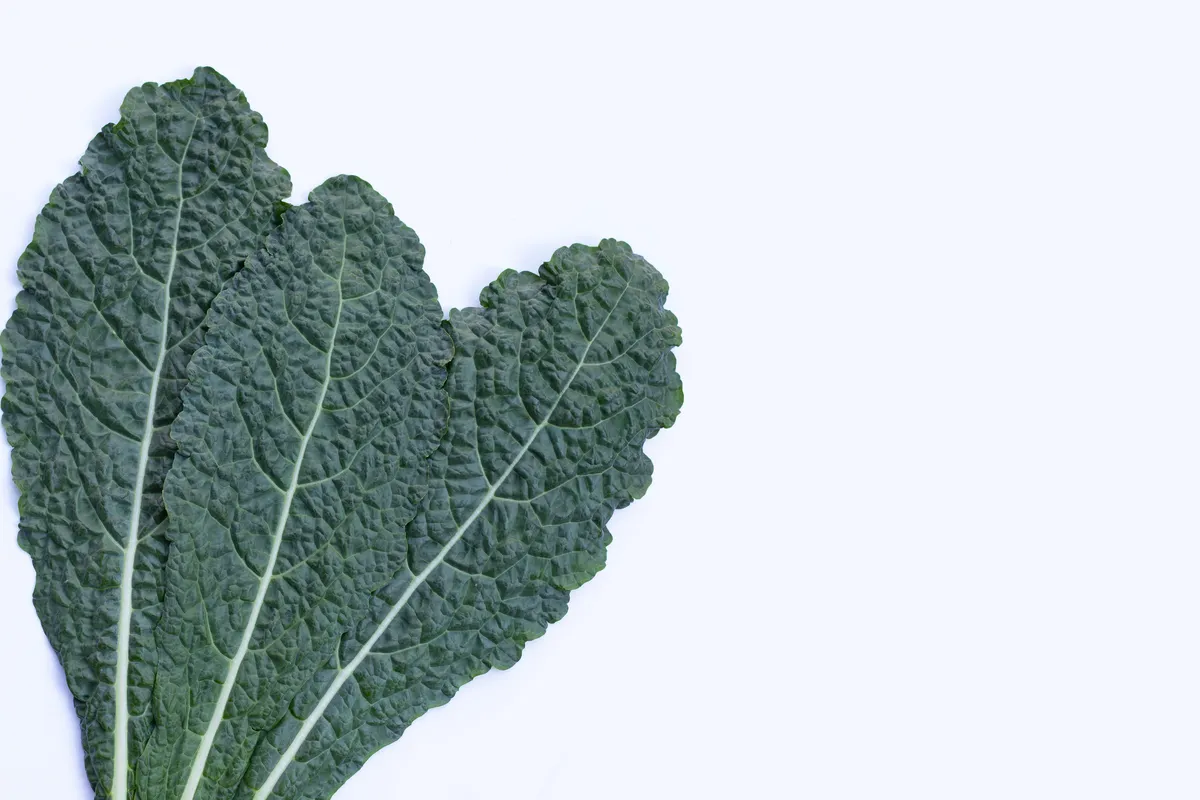
3. Kale
About 254 mg of calcium per 100 g raw, alongside about 2.9 g of protein and 4.1 g of fiber. A generous bowl of massaged kale salad carries a real share of the day’s target on its own.
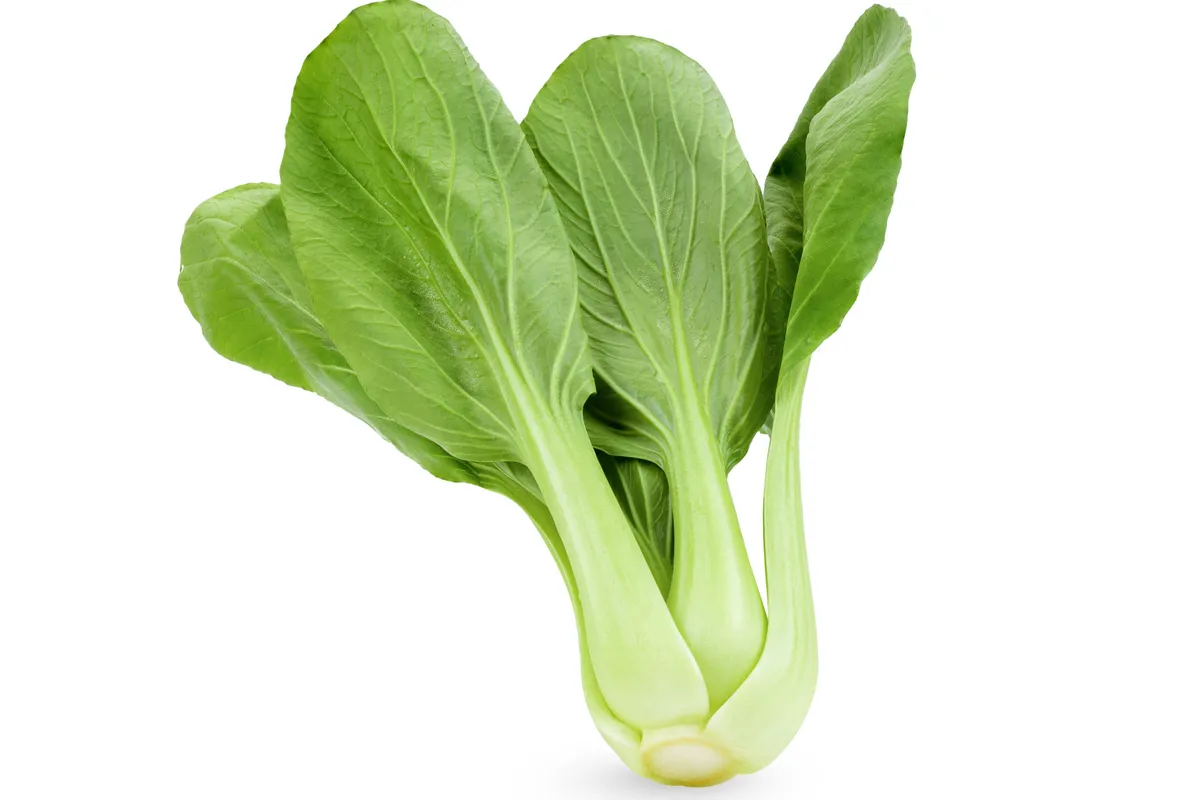
4. Bok choy
About 61.9 mg of calcium per 100 g, with about 1.0 g of protein and 1.3 g of fiber. It cooks down fast, so a stir-fry portion is larger than it looks raw.
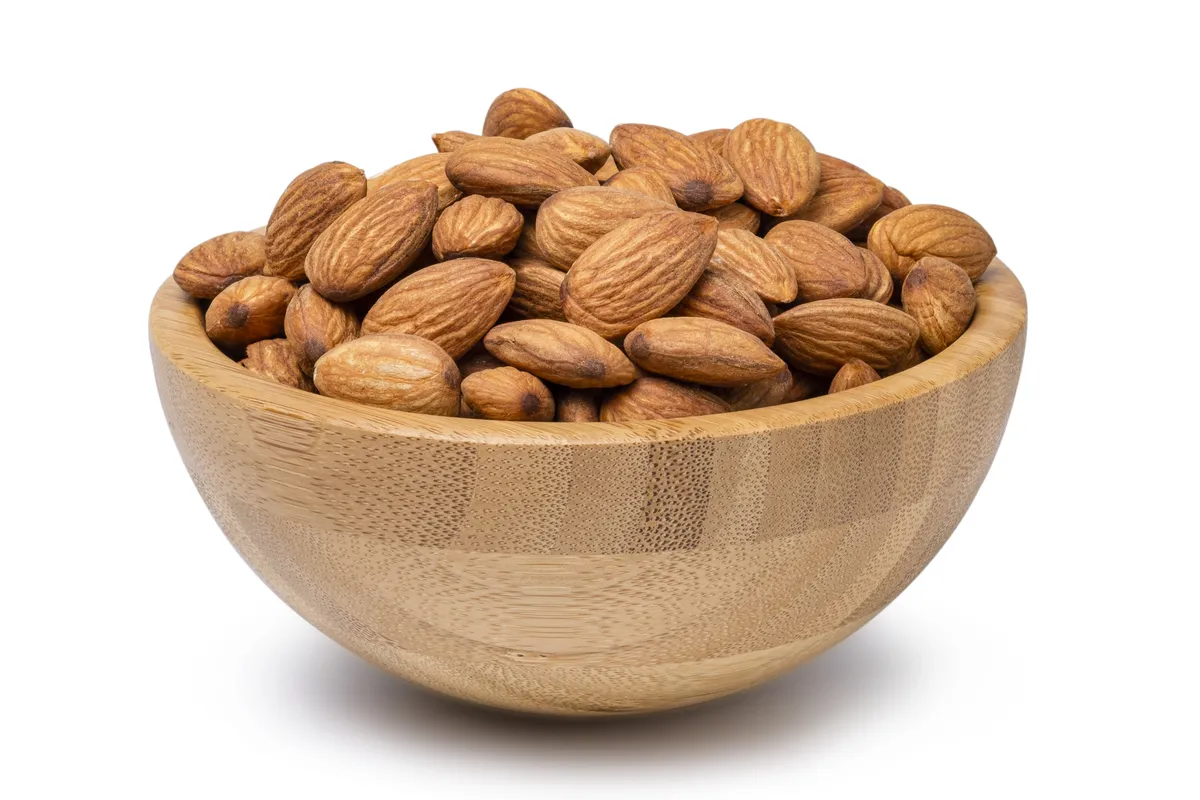
5. Almonds
About 269 mg of calcium per 100 g, plus about 21.1 g of protein and 12.5 g of fiber. A small handful adds calcium and fiber at the same time, with no extra step.
6. Tahini
About 141 mg of calcium per 100 g, with about 17.4 g of protein and 4.7 g of fiber. A spoonful stirred into a dressing or spread on toast becomes an easy daily habit.
7. White beans
About 73 mg of calcium per 100 g canned, alongside about 7.3 g of protein and 4.8 g of fiber. They stack calcium onto a meal that is already doing double duty for protein, a point covered further in how much protein a vegan woman needs.
8. Dried figs
About 162 mg of calcium per 100 g, with about 3.3 g of protein and 9.8 g of fiber. A few chopped into oatmeal add calcium along with natural sweetness.
9. Broccoli
About 47 mg of calcium per 100 g raw, plus about 2.8 g of protein and 2.6 g of fiber. It is a smaller contributor on its own, but it adds up across a week of side dishes.
10. Oranges
About 40 mg of calcium per 100 g, with about 0.9 g of protein and 2.4 g of fiber. One orange with lunch is a small, steady addition rather than a main source.
How Much Calcium Do Women Actually Need?
Calcium targets differ by age and by which authority sets them, and that disagreement confuses more people than it should. EFSA, in its Dietary Reference Values opinion, gives healthy adult women a population reference intake of 950 mg a day from age 25, and 1000 mg from 18 to 24. The NIH RDA sits at 1000 mg for women 18 to 50 and rises to 1200 mg from 51.
| Age group | EFSA PRI | NIH RDA | Upper limit |
|---|---|---|---|
| 18 to 24 | 1000 mg | 1000 mg | 2500 mg |
| 25 to 50 | 950 mg | 1000 mg | 2500 mg |
| 51 plus | 950 mg | 1200 mg | 2000 mg |
Past 50 the two bodies simply do not agree, with the NIH 250 mg higher than EFSA. I use the NIH number as the more cautious target once a woman is past 50, since the upper limit also drops to 2000 mg at that age.
Why Does Calcium Intake Change After 50?
Midlife changes in the body are the reason the NIH raises its calcium number for women past 50. The EFSA population reference intake stays flat at 950 mg across adulthood, but the NIH RDA climbs by 200 mg once a woman turns 51. Neither authority changes the upper limit upward, and the NIH limit actually falls from 2500 mg to 2000 mg at that age.
This is one reason I keep calcium food sources on the plate rather than leaning on a single fortified drink. A wider base of tofu, greens, nuts and legumes tends to hold steady even as targets shift with age.
Which Everyday Plates Deliver Calcium Without Dairy?
Combining two or three plant foods across a single day covers most of the calcium target without any dairy at all. A tofu scramble at breakfast, a kale salad with tahini dressing at lunch, and a bok choy stir fry with almonds at dinner adds up fast using the amounts above. None of this requires a special shop, just the produce aisle and the tofu case most supermarkets already carry.
I build my own week this way rather than tracking a single number every day. For more on building a full plate around all the nutrients that tend to run low on plants, see other common nutrient gaps and the home page for more plant-based nutrition guides.
What Blocks Calcium Absorption from Plants?
Oxalates in certain greens reduce how much calcium the body actually absorbs from that particular food. Spinach and Swiss chard are high in oxalates, which is why kale and bok choy, both lower in oxalates, are steadier everyday choices. Tofu set with calcium sulfate and fortified soymilk are not affected by this issue at all, since the calcium is added directly.
Spacing calcium-rich foods away from very high-fiber supplement doses, if you use one, also helps absorption. Food timing matters less than people assume, so this is a minor point next to simply eating enough of these foods across the week.
Should You Consider a Calcium Supplement?
Food first covers most women’s calcium targets without needing any supplement at all. If plates rarely include tofu, fortified soymilk, leafy greens or almonds, a conversation with your doctor about whether a supplement makes sense is reasonable. The NIH sets an upper limit of 2500 mg for women 18 to 50 and 2000 mg for women 51 and older, so more is not automatically better.
Vitamin D also plays a role in how the body uses calcium, and that is covered in the vegan vitamin D guide. I lay out my own food-first approach to these overlapping nutrients on the about page.
Get the free email letter for more plates like these, with the numbers worked out ahead of you.